
A prospective buyer in North Bekasi told me he had surveyed seven secondhand houses in the past two months. Sellers were mostly willing to drop their price, and one even said "name your offer, anything goes." Sounds great. Until he recalculated the renovation on one of the houses he wanted, and the figure hit Rp 90 million just to fix the roof and the aging electrical wiring.
That's not an unusual case in 2026. Secondary house stock across Greater Jakarta, Bekasi included, is flooding the market. Many owners are letting go of their older units at roughly the same time, while demand isn't rising as fast as supply. The result is what property people call a buyer's market: more listings than buyers, so the one holding the bargaining power is the buyer.
Why Is Secondhand House Stock Flooding the Market?
Several things are happening at once. Mortgage rates that ran high for a while pushed some second-home owners to cash out rather than hold the asset. Others are relocating or need liquidity, so they release their houses. On top of that, supply of new ready-stock houses keeps coming, so buyers have plenty of options on both sides of the market.
For Bekasi specifically, the story is a bit unique. Historically, property prices here have risen around 5 to 10 percent per year, backed by toll roads, rail lines, and plans to extend the MRT. So even with a glut of stock, the long-term fundamentals stay attractive. What's softening is the seller's bargaining position, not the value of the location.
The core of a buyer's market: supply outweighs demand, prices tend to soften, and buyers can negotiate more freely. The opportunity is real. What often gets missed is that a "cheap price" on a secondhand house doesn't always mean a "cheap total cost."
Trap One: Hidden Legal Issues and Ownership Disputes
This is what gives secondhand buyers the most headaches later. The certificate may still be under the previous owner's name, or it turns out to be an HGB title that was never upgraded, or there are years of unpaid property tax. Sometimes it's messier: an inherited house with many heirs who haven't all agreed to sell.
Boundary disputes with neighbors aren't rare either. Once you've paid the deposit, you discover the land markers have shifted or the actual area doesn't match the certificate. Sorting this out in court or through the land office can take months, and it isn't cheap. That's why verifying the authenticity and status of the certificate at the land office is a must before you sign anything.
Trap Two: Renovation Costs and Damage You Can't See
A house that looks tidy during a viewing isn't always healthy underneath. A roof with fine leaks, walls that seep during the rainy season, old electrical wiring that no longer meets standards, water pipes starting to rust. These rarely show up in a one or two hour visit, especially if the house was freshly repainted to look crisp.
I've heard of a buyer who was stunned when the ceiling collapsed three months after moving in, even though everything looked fine during the survey. Major renovation on a secondhand house can run 15 to 30 percent of the purchase price, depending on condition. If you buy a Rp 600 million secondhand house "discounted" Rp 50 million off market, but spend Rp 80 million fixing it, the discount doesn't just vanish, it goes negative.
Trap Three: Title Transfer, BPHTB, and Appraisals That Fall Short
Buying secondhand means transferring the title from the old owner to you, and that has a cost. BPHTB (the property transfer tax) is usually 5 percent of the assessed value minus a tax-free threshold, plus notary/PPAT fees for the sale deed and title transfer that range from a few million to the low tens of millions.
What often falls short is the bank appraisal. For a secondhand house, the bank assesses the fair value itself, and the result is sometimes lower than the price you've already agreed with the seller. If the appraisal comes back at only Rp 550 million when the deal price is Rp 600 million, you have to cover that Rp 50 million gap in cash. Plenty of secondhand deals fall apart at this point, or the buyer ends up paying more than originally planned.
Compare That With a New Ready-Stock House
This doesn't mean secondhand always loses. A mature location, an established neighborhood, tall trees already grown in, those are values a new house can't easily replicate. But if you tally total cost and peace of mind, a new ready-stock house has a few concrete advantages:
- Developer warranty on structure and leaks within a set period, so if there's an early problem you aren't the one absorbing it alone.
- Certificate and legality handled by the developer, with clear status from the start and no inherited problems from a previous owner.
- Smoother mortgage because the appraisal on a new house usually lines up with the selling price, so the risk of covering a gap is much smaller.
- Government-borne VAT program still active in 2026 for new houses, not for secondhand ones.
So on an apple-to-apple basis, the "cheap" on a secondhand house often gets eaten by renovation, title transfer fees, and the appraisal gap. A new house looks pricier on the brochure, but its total cost and risk are easier to predict.
Where Bekasi Fits in This Picture
North Bekasi in particular is appealing because its transport access keeps maturing. Close to Bekasi Station, Summarecon Mall, the Bekasi Barat toll access, and the planned MRT Phase 3 that will add connectivity. For a buyer who wants into the buyer's market without carrying those three traps, a new house in a location like this is a reasonable middle path.
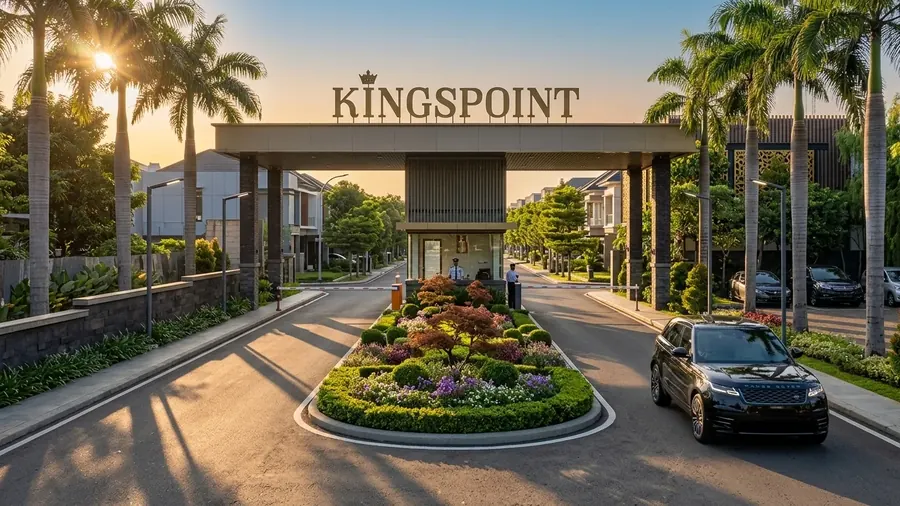
That's where the Emerald 70 house at Kingspoint Residence works as an honest comparison. The Rp 700 million price already includes VAT, two stories, land area 47.25 m² and building area 70 m², bored pile foundation, on Jl. Raya Perjuangan in flood-free North Bekasi. Installments start at around Rp 5 million per month, with cleaner legality and appraisal from the start. You still get the market momentum, without putting yourself on the line for hidden renovations or title-transfer drama.
Before you decide, it's worth also reading about buyer bargaining power as house sales slow down and the comparison between indent vs ready-stock houses. If you want to see move-in-ready options, check our house types page.
The 2026 buyer's market is an opportunity worth taking, as long as you go in with your eyes open. Count the total cost, not just the brochure price. Verify the legality before the deposit, set aside renovation funds if you go secondhand, and make sure the bank appraisal won't force you to cover a gap at the last minute. If you're still weighing a secondhand house against a new ready-stock one in Bekasi, our team is ready to help you run the numbers with no pressure.
Stuck choosing between secondhand and ready stock?
The Kingspoint team can help compare the total cost of a new ready-stock house vs secondhand, plus mortgage simulation and legality checks — all via WhatsApp.
Chat on WhatsApp